I Am a Young Person with Cancer
Home » I Am a Young Person with Cancer
What to expect during treatment
This is a time when you want to meet others and form close relationships. It’s a time when you want to be independent and focus on school, college or your career. A cancer diagnosis can interfere with these important parts of life.
When you start treatment, it can feel like you have no say in what’s happening. It might feel like decisions are being made for you and, while you may not have a choice over certain elements, you are always able to ask questions about your treatment so that you can understand it fully.
You can always say “Sorry, can you explain why things are happening this way.” This will allow you to understand why certain decisions are being made – and if you have a choice, it will help you to determine what the options are and get your views heard.
We would always advise to ask someone to come in with you to your appointments.
Your whole routine is likely to change during treatment. There will be regular hospital appointments, which may involve a lot of travel. You may have to stay in hospital overnight for treatment or at other times when you are unwell.
Everyone reacts differently to treatment, so it’s hard to say how you might feel. Some people might struggle with side effects, while others won’t have the same experience.
If you’re having problems, always ask the team looking after you for help. And try to remember that, although the side effects of cancer treatment can be tough, most of them are only short-term and will gradually disappear once your treatment is complete.
Staying in hospital
Childhood Cancer Ireland upgrades rooms for patients aged 16-24 in Adolescent and Young Adult Centres of Excellence, including in-patient rooms, treatment rooms, out-patient areas and hang out spaces, creating more age-appropriate environments to help patients meet other young people. We are currently working on a project in Galway University Hospital.
Body image and cancer treatment
Losing your hair
Chemo drugs target and kill cancer cells. The drawback is that they can’t tell the difference between cancer cells and other fast-growing ‘healthy’ cells. This is why it can make your hair fall out.
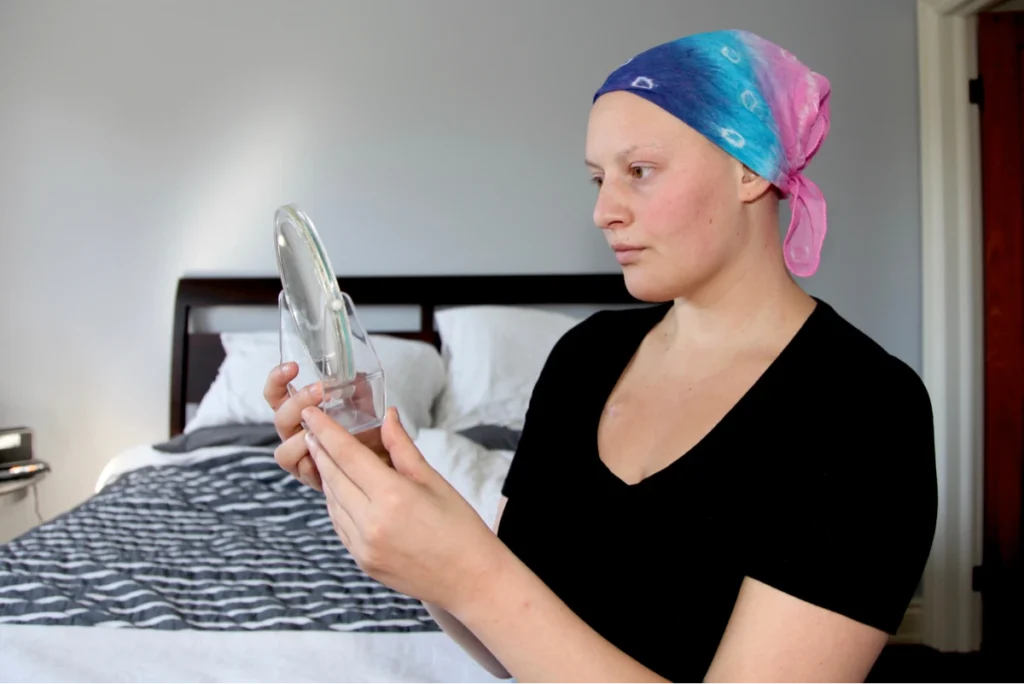
Your hair can form a big part of your identity. This means losing it and dealing with changes can be very hard, even traumatic. It’s absolutely normal to be more worried about losing your hair than the cancer itself – don’t feel bad if you can relate to this.
You can experiment with going out as you are, wigs, bandanas, hats or whatever makes you most comfortable.
Energy levels and concentration
Treatment can be intense and it’s common to experience cancer-related fatigue, which can make you feel very tired and drained. This side effect can last after treatment has ended.
Try to plan your day and leave time for things that you enjoy, like spending time with friends. Don’t be too hard on yourself if you don’t have the same energy that you did before. It will improve over time so be kind to yourself.
Heard of ‘chemo brain’ or brain fog? It’s when you find it hard to focus on anything for very long. This is also a very normal side effect that can last after treatment has ended and it can be very frustrating. Like cancer-related fatigue, it will improve over time.
Weight Gain from Treatment
Your body is working very hard for you right now. Taking steroids may make you feel hungrier, and you might find it difficult to maintain your former weight. Your appetite will go back to normal once you stop taking the steroids.
You may find that you feel more anxious or emotional while you are taking steroids, and that you feel tired and low for a while after you stop taking them. Keep an eye on how you’re feeling and talk to your team if you think you need additional support.
Bodywhys is a good resource for information and tips on body image.
Fertility
Some chemotherapy drugs may temporarily or permanently affect your ability to have children. It is important to talk to your specialist about the options available to you before beginning treatment.
You may be able to store eggs or sperm before your treatment begins, to use if you and a partner want to have children later.
Find out more on your fertility options.
Emotional Support
Childhood Cancer Ireland provides psychotherapy (talk therapy) and one-to-one psychological support. We can help you figure out which might suit you best and make sure you have the right support – a safe space for you to explore your emotions, make sense of your experiences, and feel supported every step of the way.
CanTeen
CanTeen Ireland is a registered charity and the nationwide support group for young people between the ages of 12 and 25 years who have, or have had, cancer.
It provides an opportunity for young people who have been affected with cancer to meet up in a relaxed and informal setting and to attend fun activity weekends away together as a group. It’s a great, fun way to meet people who have had a similar experience without cancer being the focus of every conversation – everyone just gets it.
School
One of the most difficult aspects of missing school is the social impact – being away from friends, missing out on sport and activities, and losing that daily connection to normal life.
Keeping up with friends through gaming, texting or social media is a vital outlet. If you are keen to keep up to date with school, you or your parent can make a plan with your year head or class tutor to have work sent.
Institute of Education
If you’re in an exam year, you may feel up to sitting one or two exams so that you feel part of your peer group. Even sitting one exam means that you share that experience with your friends and can take part in getting your results together.
Childhood Cancer Ireland has developed a partnership with the Institute of Education so that students who have / had cancer can access free part-time courses and grinds.
When you feel ready to return to school, it might be on a part-time basis at first. You might still have hospital appointments or feel really tired and have brain fog, as we mentioned above. You can build up slowly as your energy allows. Your school can support you by letting your teachers know, not asking about homework, thinking about where your locker is and maybe giving access to an accessible toilet or a lift.
Further and Higher Education
The same applies if you are in further or higher education – talk to your tutors and lecturers and see what accommodations can be put in place.
If you are planning for a move into further or higher education, DARE can help.
What is DARE?
If you have or had cancer, are under 23 years of age and applying for college, you are eligible to apply for the Disability Access Route to Education (DARE) entry scheme.
DARE is designed to compensate for the impact that cancer has had on your education. Successful applicants can avail of college or university courses that they may not have gotten the points for through the standard application process.
In order to be considered for DARE entry, you must have completed the Leaving Certificate (you can apply while in sixth year, at the same time as filling out the CAO), be aged under 23, and have a disability or significant ongoing illness. Childhood or adolescentcancer comes under the significant ongoing illness category.
You will need to provide evidence of your treatment and its impact with your DARE application. You can find out what you will need to submit as evidence on the DARE website.
We have held webinars on DARE and the CAO application process.
Sport and hobbies
Sports and hobbies may be a big part of your life. Parents or young people can keep their coaches or mentors up to date on your treatment and recovery. If you’re part of a sports team and you feel up to it, you could go for a walk around the pitch with your teammates and coaches to catch up with what’s been going with them.
It can be hard to be away from your team but when you are able to return, ease yourself back in with your teammates. Remember that your body is still recovering so take it slowly and take a break when you’re tired.
Having your voice heard
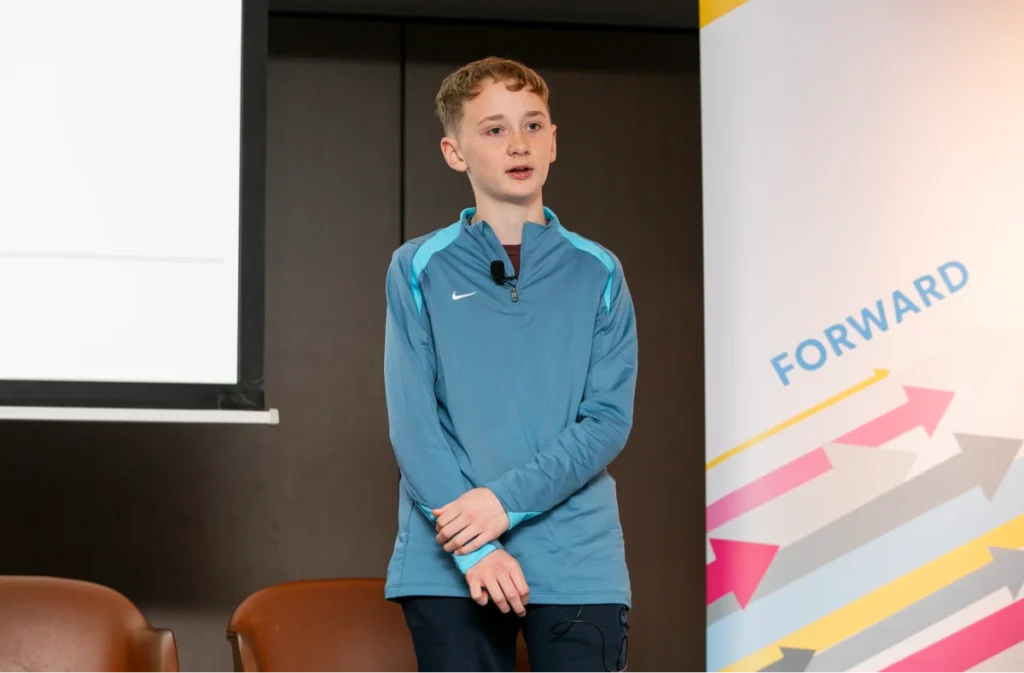
Through our advocacy work we can help to make change. Adding your voice to that can be empowering and help you to take back some control and to share your story to effect change.
If you would like to get involved in advocacy in any way, or to share your experience, contact us.
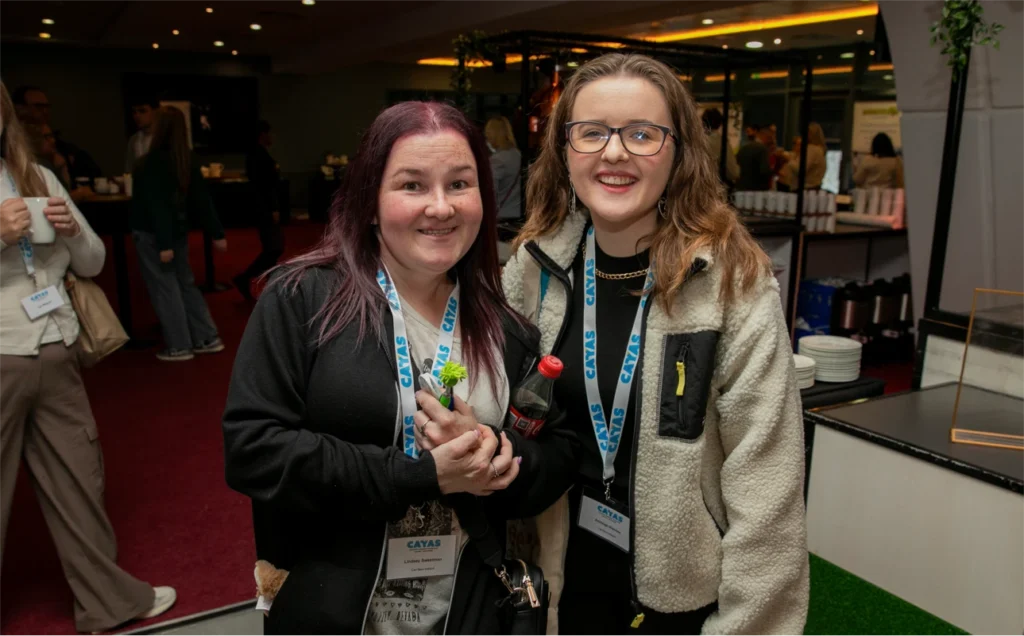
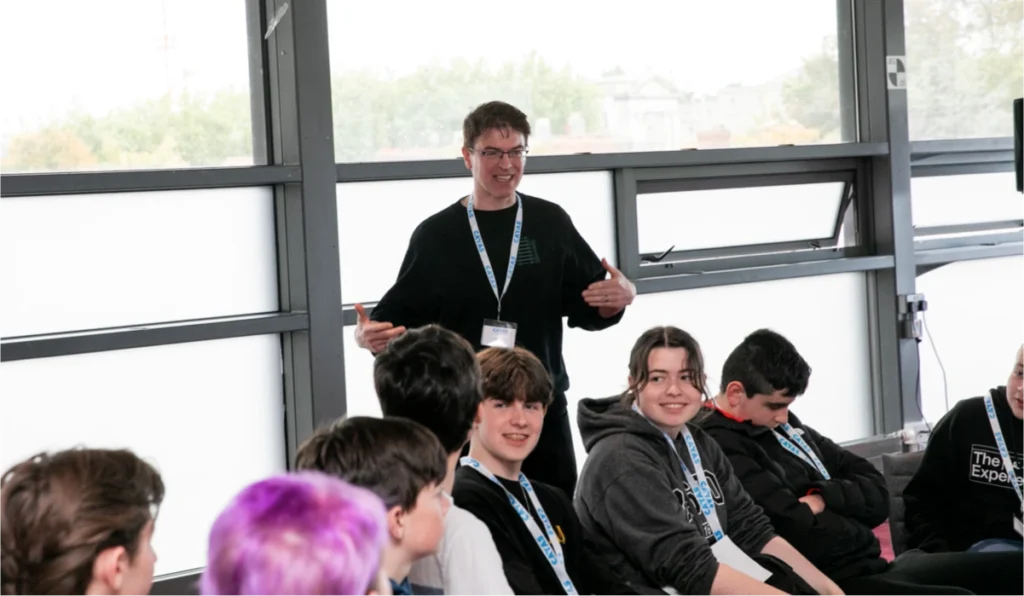
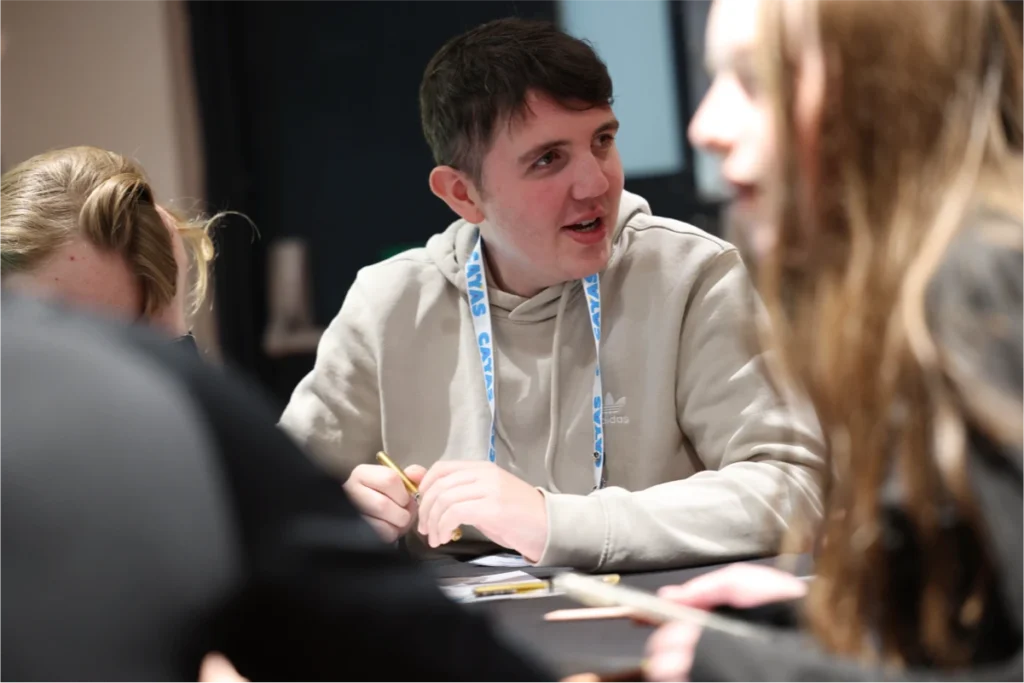
The annual CAYAS Conference (Childhood, Adolescent and Young Adult Cancers & Survivorship) highlights the lived experience of parents, families, patients, and survivors by providing them with a platform to collaborate and connect with medical experts, healthcare researchers, and others. As a young person who has cancer, this is a great conference to hear about the experiences of others, to meet other young people and to have your voice heard if you’re ready for that.