The Things We Still Carry
Home » The Things We Still Carry
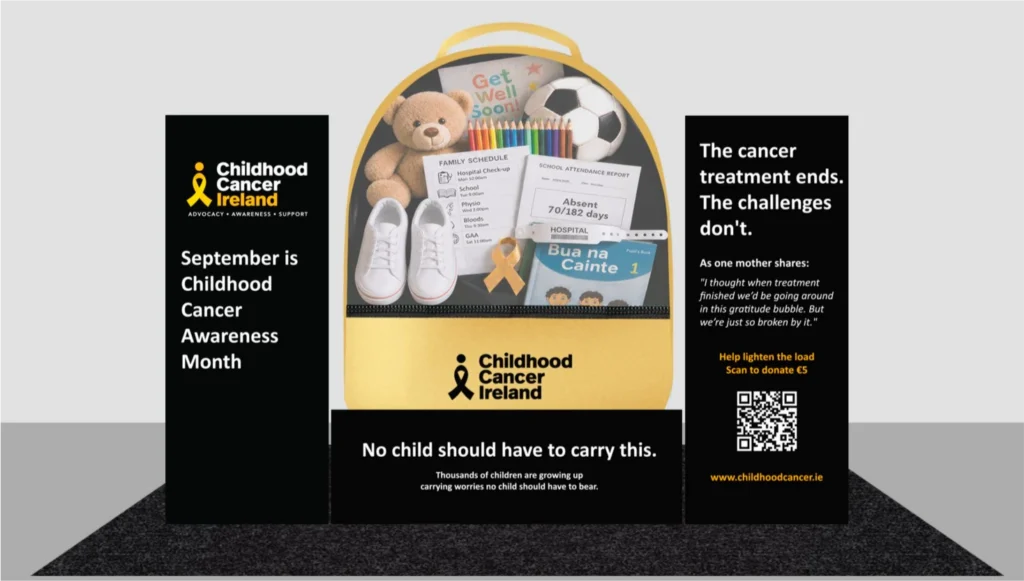
The cancer treatment ends. The challenges don’t.
September is Childhood Cancer Awareness Month
A diagnosis of childhood, adolescent or young adult cancer changes life in an instant.
Hospital stays replace school or college days. Families learn a new language of scans, chemotherapy, blood counts and treatment plans. Parents become carers. Brothers and sisters spend time apart. Normal family life is put on hold.
And when treatment ends, not everything gets left behind. Children, young people and their families can carry the physical and emotional impact of childhood cancer for months and sometimes years.
The fear before a scan. Fatigue that makes an ordinary school day difficult. Anxiety about a temperature or unexplained pain. Missed school, friendships and milestones. Worry about the future.
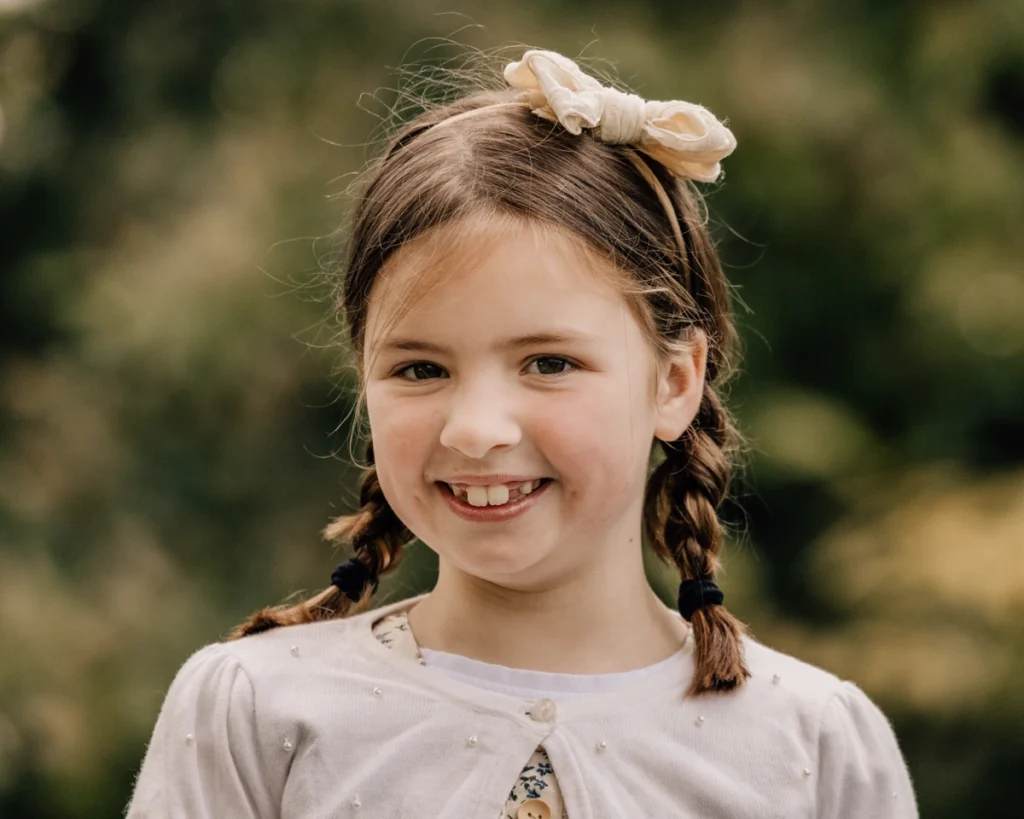
This September, Childhood Cancer Ireland's The Things We Still Carry campaign is making some of those invisible experiences visible.
Because treatment finishing doesn’t always mean the impact of childhood cancer is over.
“I thought when treatment finished we’d be going around in this gratitude bubble. But we’re just so broken by it.”
Lindsay, Joshua’s Mum
Experience The Things We Still Carry at Dundrum Town
Dundrum Town 1st – 7th September 2026
At the centre of our campaign is an everyday object: a schoolbag.
A schoolbag should carry books, pencils, a lunchbox and all the ordinary things that come with being a child, teenager or young adult.
But when a child or young person is diagnosed with cancer, they and their family suddenly have so much more to carry in the aftermath.
- Fear
- Isolation
- Missed school
- Changes to friendships and family life
- Physical effects like fatigue and brain fog
- Emotional effects of treatment
- Uncertainty about what comes next
- Changes to friendships and family life
And those things don’t necessarily disappear when treatment finishes
The experience at Dundrum Town makes some of that invisible weight visible.
Through the schoolbag and the experiences of children, young people and families affected by childhood cancer, we’re asking people to look beyond treatment and understand everything a family can carry during, and long after, childhood, adolescent and young adult cancer.
Visit us at the 3rd Level Main Entrance from 1st – 7th September.
“Your life is literally put on pause. And then it takes you so long to find the play button after it's unpaused. "
Eimear, Clodagh’s mum
What families still carry
There is no single experience of childhood cancer.
Finishing treatment is a milestone every family longs for. But it doesn’t necessarily mean that life simply returns to how it was before.
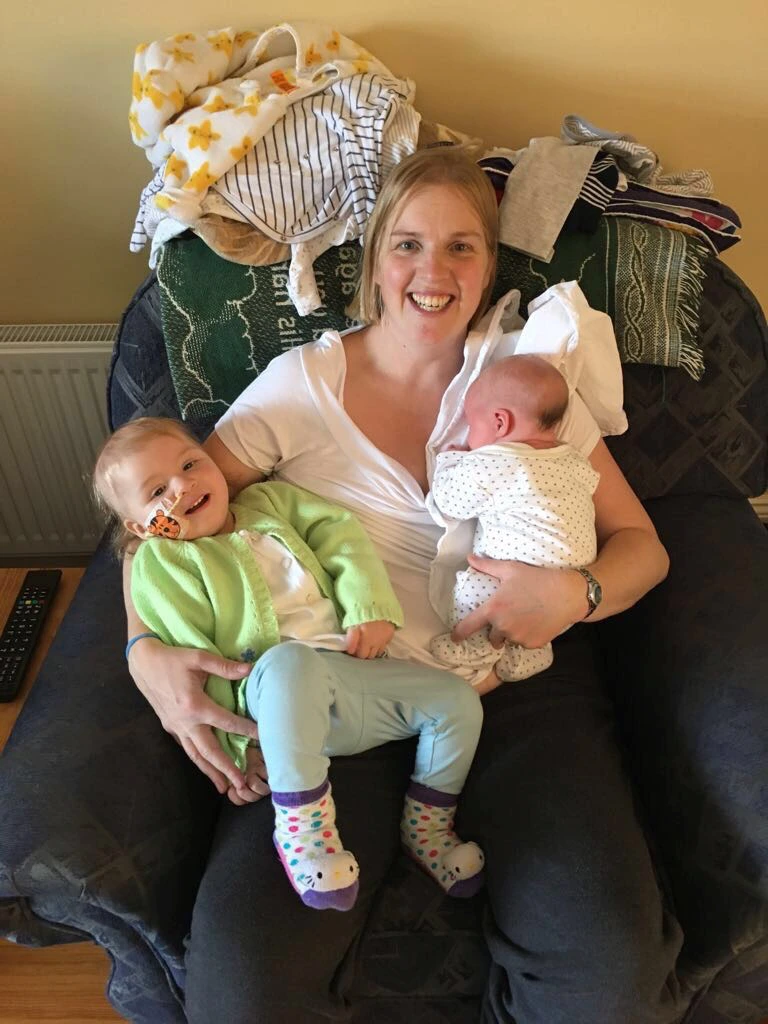
Eimear & Clodagh
When Eimear’s daughter Clodagh was diagnosed with cancer at just 17 months old, Eimear was 36 weeks pregnant.
Suddenly, normal family life was replaced by treatment, hospital stays and uncertainty.
Like so many parents, Eimear focused on getting through each day and getting Clodagh safely to the end of treatment. There was little time or space to process what was happening.
Reaching the end was something the family had desperately looked forward to. But finishing treatment didn’t mean simply returning to the life they had before.
One of the things Eimear continues to carry is the knowledge that it can be difficult for those outside the childhood cancer world to truly understand the experience.
“Your friends and your family will ask you what it’s like. But they actually don’t understand, because they haven’t walked the walk.”
There was also the impact on the rest of the family.
“There was a lot of mammy guilt that came with all that time being away from home. It took me time to realise that my other kids got what they needed, it just wasn’t always from me.”
Experiences that once seemed completely ordinary took on a different meaning. “Sleeping in my own bed at night… I’m still so grateful for that.”
Sarah
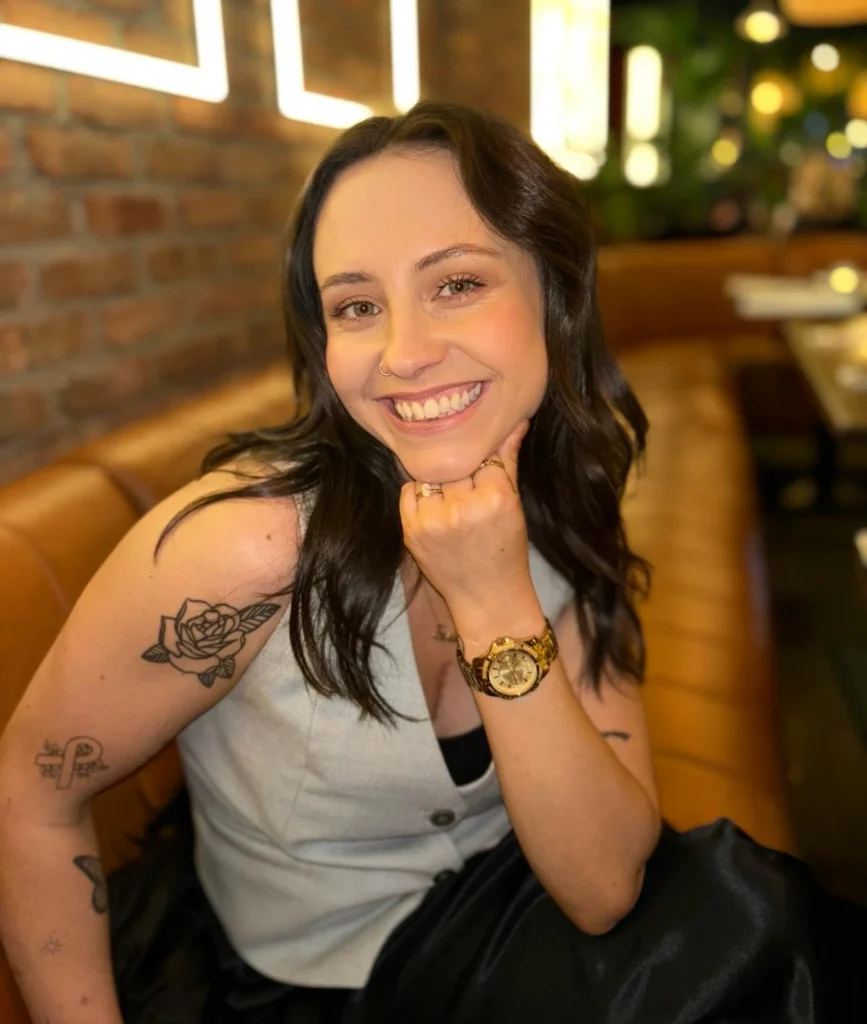
Sarah was diagnosed with Non-Hodgkin’s lymphoma when she was 17, just becoming an adult and looking forward to all that was ahead.
“One thing that really sticks out is when I was first diagnosed at 17, my consultant said to me, “Just give us a year of your life and then you’ll go back to normal.” And I always used to hold onto that and go, “I’m still not back to normal.”
When treatment finished, Sarah wanted to put cancer behind her. It had taken up so much of her life that she didn’t want to talk about it or allow it to remain part of who she was. But over the 11 years since her diagnosis, Sarah has come to understand that everything doesn’t simply go back to normal.
The effects of treatment have continued into Sarah’s adult life, as she now needs to start accessing additional health screening and must advocate for the follow-up care she needs.
“This can be really hard, but I’ve realised that I have to speak up for myself and sometimes to fight for what I need. That was uncomfortable at first but I’ve gotten better at it!”
But Sarah’s relationship with her cancer experience has also changed. Through Childhood Cancer Ireland, meeting other survivors and attending events such as the CAYAS Conference, she began to see that her experience didn’t have to be something she tried to leave behind.
“The biggest thing I’ve learnt from being around other survivors, attending conferences like CAYAS, is the value of your own voice. From listening to others, I’ve developed that voice for myself and realised that my voice and my health are important. I matter.”
Today, sharing her experience and using her expertise as a survivor gives Sarah a sense of purpose.
“It helps me to look at what happened and decide what I’m taking from it. Choosing to help others and connecting with people who come up to me and say ‘I thought I was the only one’ makes us all feel less lonely.”
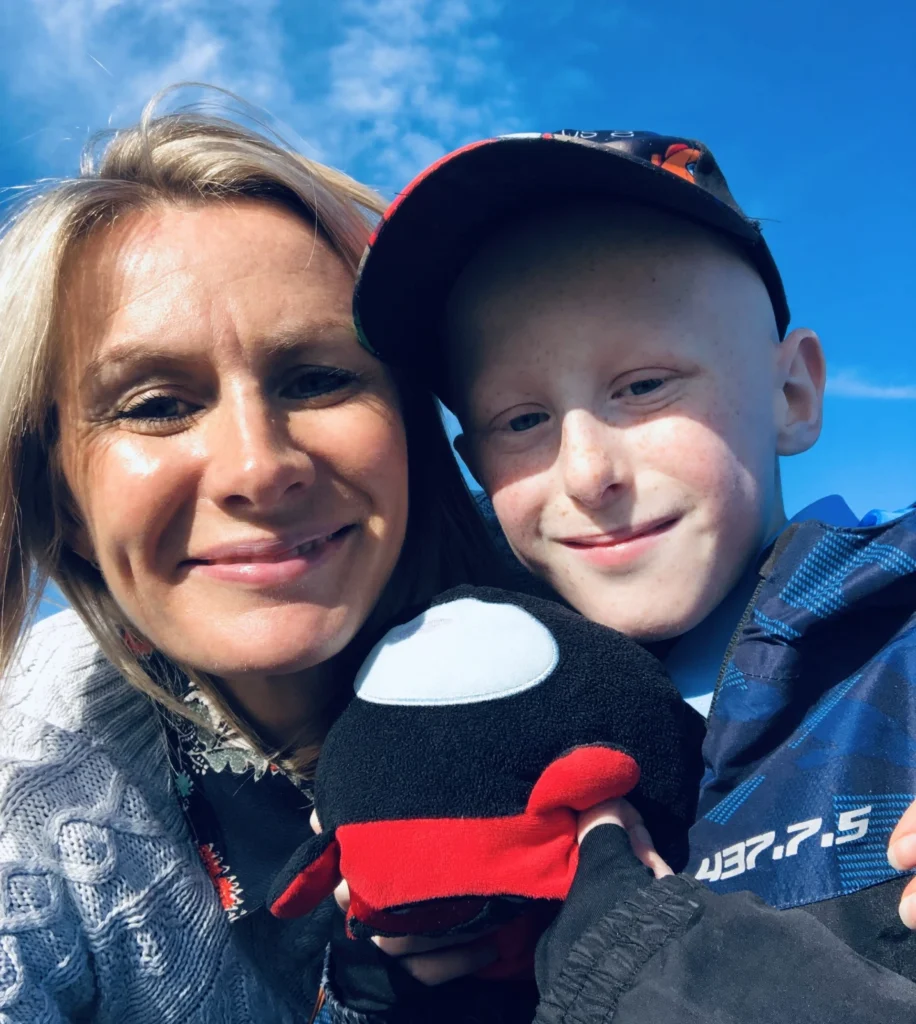
Lindsay
Family life is completely disrupted during treatment.
“We became two separate families during treatment, one at home and one in hospital.”
For some parents, one of the hardest parts for other people to understand is when treatment has finished. The child looks well again and everyone expects life to get easier.
But it can be the moment when a parent finally has the space to process everything their family has been through.
“Coming out the other side, I was absolutely broken by it. All of the emotions just hit afterwards. I kept going, going, going until it felt safe to fall apart. All of the stuff I was avoiding came up after he finished treatment.”
You can help lighten the load
#GoGold this September
This Childhood Cancer Awareness Month, we’re asking people across Ireland to #GoGold and stand with children, young people and families affected by childhood cancer.
Every conversation helps make something invisible a little more visible.
And every euro raised helps us continue to be there for families – during treatment and for everything that can come afterwards.
Will you help us lighten the load?
How Childhood Cancer Ireland helps lighten the load
So much of what children and families carry cannot be seen. By shining a light on the unseen, we take these experiences out of the shadows and help parents and survivors feel less isolated.
We know that childhood, adolescent and young adult cancer doesn’t follow a neat timeline so neither does our support.
- Psychological and emotional support
- Play therapy and psychotherapy
- Beads of Courage
- Support after treatment
- Education and the future
- Connection with people who understand
- Support through relapse and bereavement
We are here for the things families carry today, and the things they may still be carrying years from now.
They’re like an invisible blanket and you don’t know they’re there until you need them and then they come around you and they support you in ways you didn’t even realise you needed.
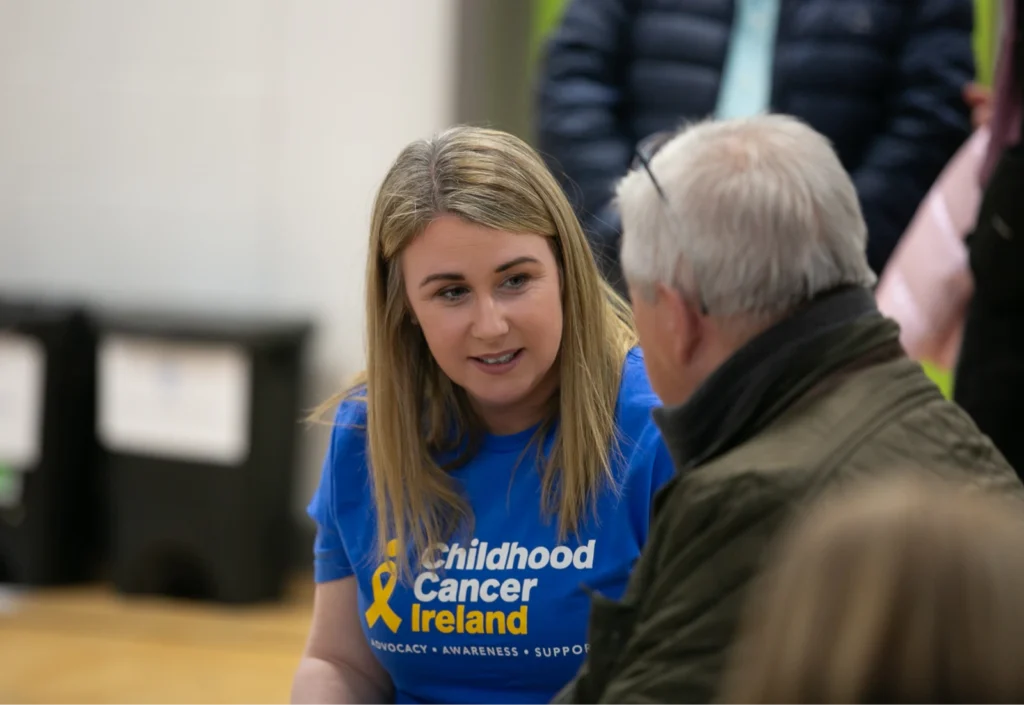
“It was actually at the end of treatment that we needed them more than we realised. They helped us get used to the new normal. They gave us space to be heard and understood by others who had been in a similar situation. The supports they give are fantastic, they are fundamental to getting through it. "
Eimear